
Devotional
Psalm 139 Devotional: Searched and Known by God
Psalm 139 says God knows you completely: your sitting and rising, your thoughts, your words before you say them. There is nowhere you can go that He is not already. He formed you before you were born. And David's answer to all this is a prayer: “Search me, O God, and know my heart” (Psalm 139:23, BSB).
Most of us manage what people know about us. You show the church the prepared version. You show your family a little more. There are thoughts you have never said out loud to anyone.
Psalm 139 starts with a God who does not need you to tell Him.
O LORD, You have searched me and known me. You know when I sit and when I rise; You understand my thoughts from afar. You search out my path and my lying down; You are aware of all my ways. (Psalm 139:1-3, BSB)
What does Psalm 139 mean when it says God has searched me?
It means God knows David from the inside out. The verbs are thorough. God searches, knows, understands, and is aware. He knows the ordinary rhythm of David's day, when he sits and when he rises. He knows his thoughts “from afar.” He knows the word “before a word is on my tongue” (Psalm 139:4, BSB).
Then David says, “You hem me in behind and before; You have laid Your hand upon me” (Psalm 139:5, BSB). That can sound like being trapped. But David's response is wonder: “Such knowledge is too wonderful for me, too lofty for me to attain” (Psalm 139:6, BSB). He is not complaining. He is admitting he cannot get his mind around it.
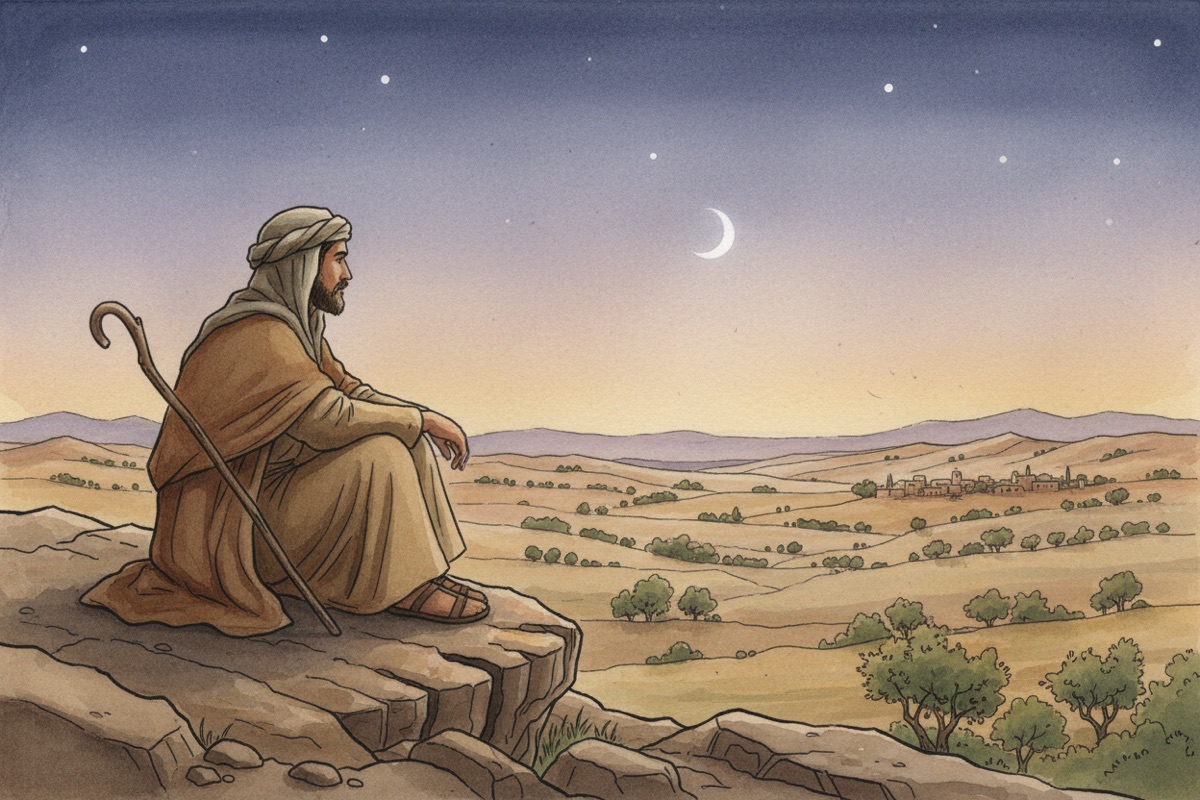
Can you hide from God in Psalm 139?
No, and David finds that this is good news. He asks two questions: “Where can I go to escape Your Spirit? Where can I flee from Your presence?” (Psalm 139:7, BSB). Then he imagines the far edges of the world.
If I ascend to the heavens, You are there; if I make my bed in Sheol, You are there. If I rise on the wings of the dawn, if I settle by the farthest sea, even there Your hand will guide me; Your right hand will hold me fast. (Psalm 139:8-10, BSB)
Heaven is up. Sheol, the realm of the dead, is down. The dawn is east, and the farthest sea is west. David runs through every direction and finds God in each one. The hand he finds there guides him and holds him fast.
He even tries darkness, and it does not work: “even the darkness is not dark to You, but the night shines like the day” (Psalm 139:12, BSB). The places you think are hidden are lit up to God.
What does fearfully and wonderfully made mean?
It is David's praise for the way God formed him before birth. He does not start with himself. He starts with God's work: “For You formed my inmost being; You knit me together in my mother’s womb” (Psalm 139:13, BSB). Then he responds.
I praise You, for I am fearfully and wonderfully made. Marvelous are Your works, and I know this very well. (Psalm 139:14, BSB)
The word fearfully here carries the sense of awe. David is struck with reverence at how God made him. The point is less about David's worth and more about God's care. The God who knows his thoughts now is the same God who saw him when no one else could. “Your eyes saw my unformed body; all my days were written in Your book and ordained for me before one of them came to be” (Psalm 139:16, BSB). David's life did not start as an accident that God later noticed.

Why does Psalm 139 end with Search me, O God?
Because David moves from being searched to asking to be searched. The psalm opened with “You have searched me.” It closes with a request.
Search me, O God, and know my heart; test me and know my concerns. See if there is any offensive way in me; lead me in the way everlasting. (Psalm 139:23-24, BSB)
Just before this, David speaks strong words about God's enemies and the bloodthirsty men who speak of God deceitfully. Then he turns the light on himself. He has said who is against God. Now he asks God to check whether anything in him is against God too. A man who once asked where he could flee now asks to be seen.
What does Psalm 139 mean for you today?
It means you can stop managing what God knows about you. He already knows the anxious thought you had at 2 a.m. He knows the doubt you would never admit from the pulpit. None of it surprised Him, and He has not let go of you.
That can feel exposing. It is also a relief. If you are in ministry, you spend a lot of energy being the steady one. Psalm 139 gives you one relationship where nothing is hidden and nothing needs to be performed.
It also gives you a prayer to borrow. You do not have to search your own heart alone, guessing at your motives. You can ask God to do it, and to show you what needs to change. Then you can ask Him to lead you. If you want a psalm that goes further into confession, the Psalm 51 devotional picks up where this one ends.
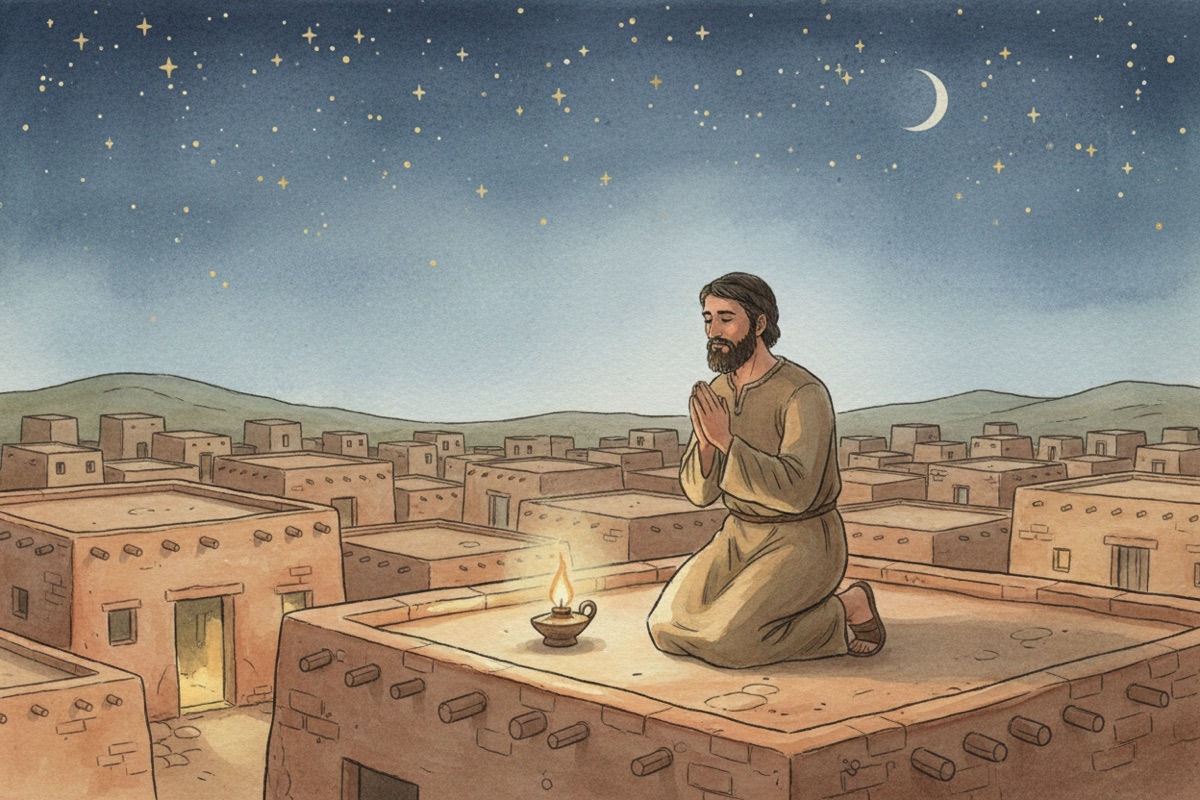
A prayer
Lord, You have searched me and known me. You know what I show people and what I keep back. Thank You that I cannot get away from You, not in the dark, not at the farthest edge of the world. Thank You that You saw me before anyone else did. Search me now. Show me what in me grieves You, and give me the courage to let You change it. Lead me in the way everlasting.
Questions for reflection
- Which part of your life do you work hardest to keep hidden from other people? What changes when you remember God already sees it?
- If you prayed “Search me, O God” honestly today, what do you think He might put His finger on first?
Try Sermoneer
One sermon becomes a week of material: small group guide, devotional, social cards, and shorts.
Start free