
Devotional
Psalm 51 Devotional: Create in Me a Clean Heart, O God
Psalm 51 is David's prayer after the prophet Nathan confronted him over his sin with Bathsheba. David does not explain or defend himself. He asks for mercy, names his sin, and asks God for a new heart: “Create in me a clean heart, O God, and renew a right spirit within me.” (Psalm 51:10, BSB).
Maybe you know the feeling of being found out. Someone says the thing you hoped no one would say. Your face gets hot. Your mind goes straight to how you will explain it.
David spent months covering up what he had done. Psalm 51 is what he prayed when he stopped.
What happened before Psalm 51?
The heading of the psalm says David wrote it when Nathan the prophet came to him after he had gone in to Bathsheba. The story is in 2 Samuel 11 and 12. David took another man's wife, and when she became pregnant, he arranged for her husband Uriah to die in battle. Then he married her. The narrator gives one plain sentence of judgment: “But the thing that David had done was evil in the sight of the LORD.” (2 Samuel 11:27, BSB).
Nathan came with a story about a rich man who stole a poor man's only lamb. David was furious at the rich man. Then Nathan turned and said, “You are that man” (2 Samuel 12:7, BSB). David's answer was short: “I have sinned against the LORD.” (2 Samuel 12:13, BSB).
Psalm 51 is the long form of that short answer.
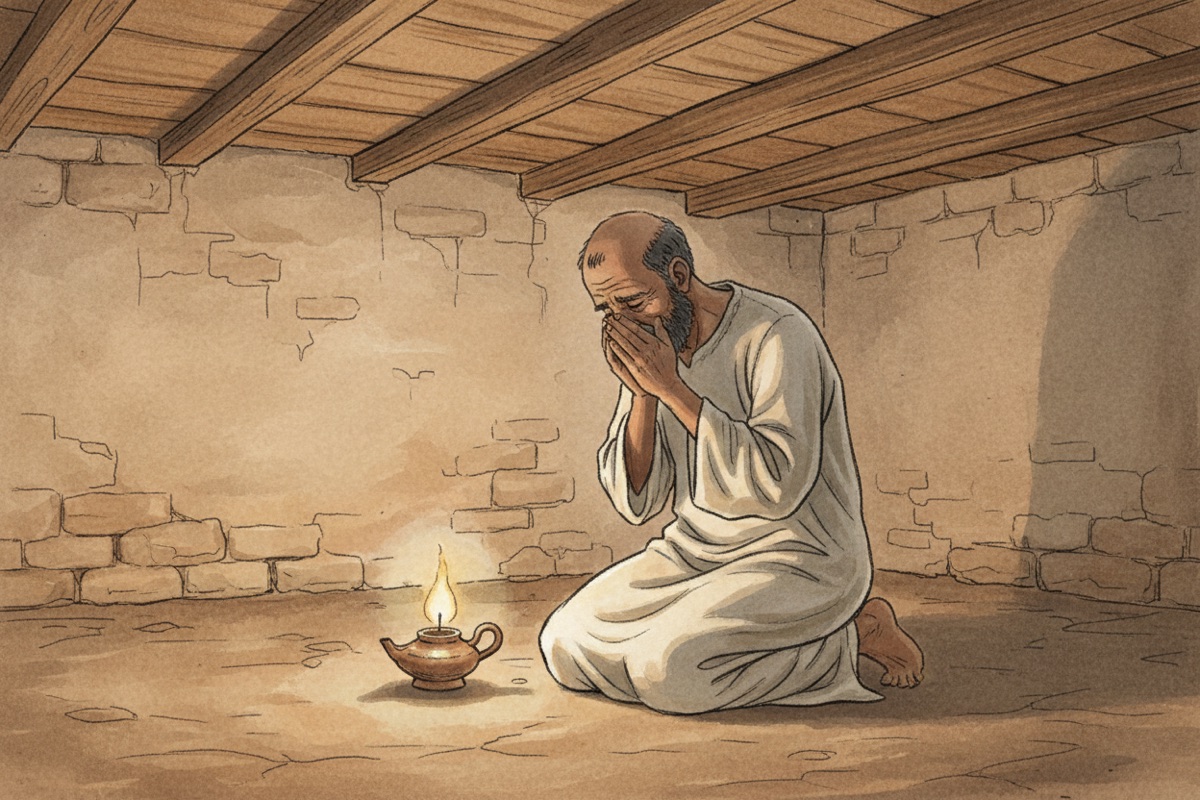
What does David ask for in Psalm 51?
David asks first for mercy, and he bases the request on who God is, not on anything he has done.
Have mercy on me, O God, according to Your loving devotion; according to Your great compassion, blot out my transgressions. Wash me clean of my iniquity and cleanse me from my sin. For I know my transgressions, and my sin is always before me. (Psalm 51:1-3, BSB)
He uses three words for what he did: transgressions, iniquity, sin. And he uses three pictures for what he needs: blot out, wash, cleanse. He is not looking for the smallest word that might cover it. He wants the whole thing seen and the whole thing dealt with.
Then comes the line that can trouble a careful reader: “Against You, You only, have I sinned and done what is evil in Your sight” (Psalm 51:4, BSB). David had wronged Bathsheba. He had killed Uriah. He had used his office to hide it. How can he say God only?
The people mattered. David is naming what lies underneath every wrong he did to them. Every one of those acts was done in front of God and against God's law. Until David saw that, he could manage the story. Once he saw it, there was nothing left to manage.
What does "create in me a clean heart" mean?
It means David asks God to do inside him what he cannot do for himself. The word for create in verse 10 is the same verb used in Genesis 1:1, where God creates the heavens and the earth. Only God can do this kind of work, and David knows it.
He also knows the problem runs deep. “Surely You desire truth in the inmost being; You teach me wisdom in the inmost place.” (Psalm 51:6, BSB). David wants God to reach the place where the sin began, not only to clean up what it did.
Notice what he asks for next: “Restore to me the joy of Your salvation, and sustain me with a willing spirit.” (Psalm 51:12, BSB). He asks for the joy of salvation to come back. Hidden sin had drained the joy out of his life.
Why does God want a broken spirit instead of a sacrifice?
God wants the heart that the sacrifices were meant to express. David says, “For You do not delight in sacrifice, or I would bring it; You take no pleasure in burnt offerings.” (Psalm 51:16, BSB). David could have paid for a hundred animals. That would have been easy for a king.
The sacrifices of God are a broken spirit; a broken and a contrite heart, O God, You will not despise. (Psalm 51:17, BSB)
The psalm does not end by throwing out worship. Two verses later David looks forward to offerings on the altar again, this time coming from a broken heart. Religious activity cannot stand in for repentance.
How do you pray Psalm 51 today?
You pray it by saying what you did and asking for mercy, without the explanation you have been rehearsing. Most of us are better at the explanation. We say we were tired, or that it was not as bad as it looks. David could have said the same. He left it out.
If you lead others, this can be harder. Pastors spend more time hearing about other people's sin than naming their own. You know how to talk about sin in a sermon. It is a different thing to say plainly to God, I did this, and it was evil in Your sight.
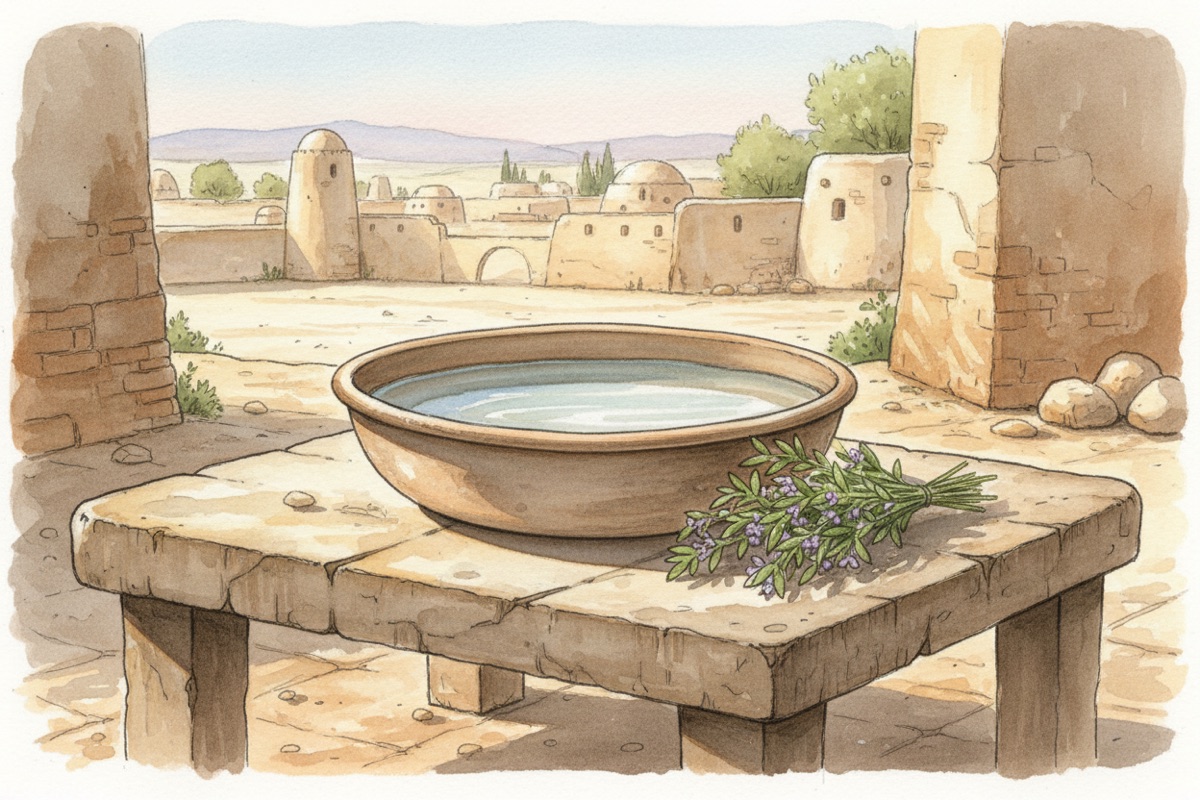
The New Testament holds out the same mercy David trusted: “If we confess our sins, He is faithful and just to forgive us our sins and to cleanse us from all unrighteousness.” (1 John 1:9, BSB). The cleansing David asked for with hyssop and water, we receive through Christ.
And confession opens your mouth for something else. “O Lord, open my lips, and my mouth will declare Your praise.” (Psalm 51:15, BSB). In verse 13 David says he will teach transgressors God's ways. The forgiven sinner has something to tell other sinners.
A prayer
Lord, You see what I have tried to explain away. I will not explain it to You. Have mercy on me according to Your loving devotion. Wash me and make me clean. Create a clean heart in me, because I cannot make one. Restore the joy I lost while I was hiding. Open my lips, and let my mouth declare Your praise.
Questions for reflection
- Is there something you have been explaining to God instead of confessing?
- Where have you been bringing God activity when He is asking for a broken and contrite heart?
Try Sermoneer
One sermon becomes a week of material: small group guide, devotional, social cards, and shorts.
Start free