
Devotional
Isaiah 40:28-31 Devotional: Strength for the Weary
Isaiah 40:28-31 is a promise for people who have run out of strength. God never grows tired, and he gives power to the faint. Those who wait on him, who look to him in hope instead of leaning on their own reserves, will find their strength renewed, enough to keep walking without fainting.
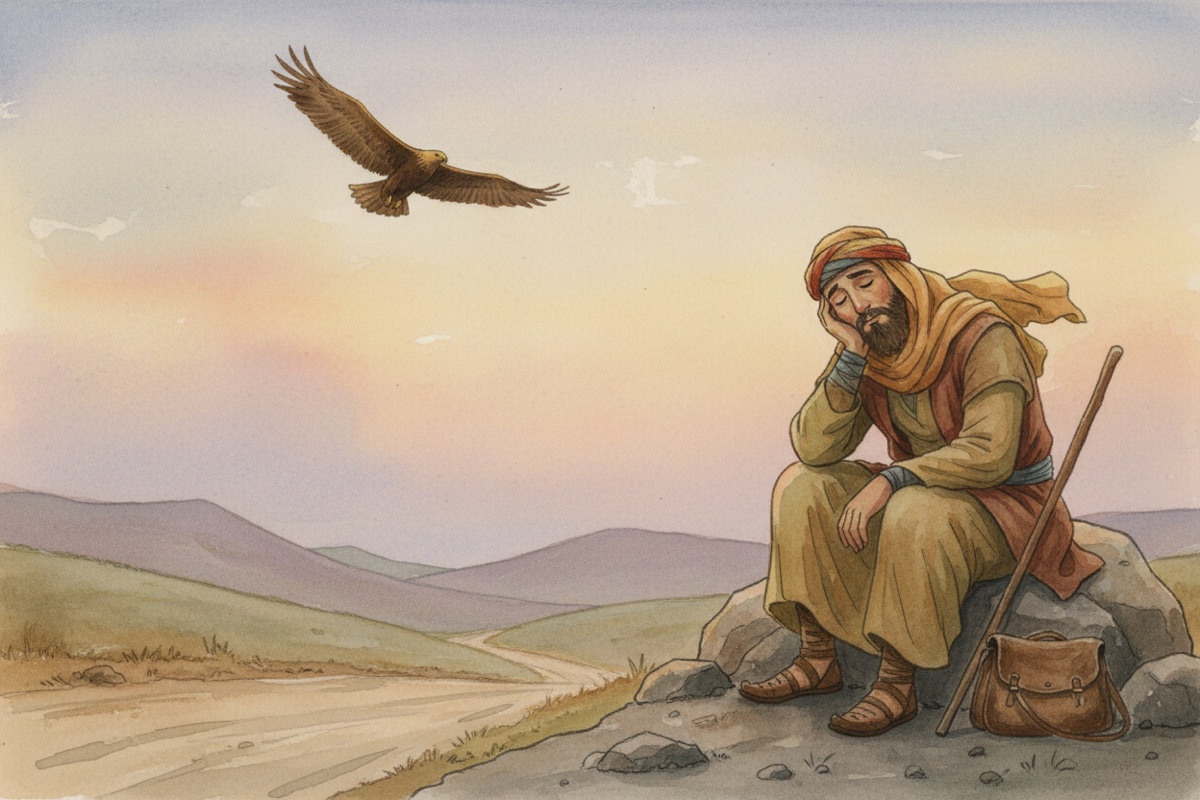
You know the kind of tired this is for. A good night's sleep does not touch it. It is still there on Saturday morning. You got up, you did the next thing, and somewhere along the way you started wondering if anyone, including God, has noticed how long you have been carrying this.
Israel wondered the same thing.
What does Isaiah 40:28-31 say?
Isaiah 40:28-31 answers Israel's complaint that God had lost track of them: the everlasting God never tires, and he gives strength to the faint. The passage starts with the complaint.
Why do you say, O Jacob, and why do you assert, O Israel, “My way is hidden from the LORD, and my claim is ignored by my God”? (Isaiah 40:27, BSB)
Do you not know? Have you not heard? The LORD is the everlasting God, the Creator of the ends of the earth. He will not grow tired or weary; His understanding is beyond searching out. He gives power to the faint and increases the strength of the weak. Even youths grow tired and weary, and young men stumble and fall. But those who wait upon the LORD will renew their strength; they will mount up with wings like eagles; they will run and not grow weary, they will walk and not faint. (Isaiah 40:28-31, BSB)
God answers the complaint without explaining their situation. He answers by telling them who he is.
Who was Isaiah 40 written to?
Isaiah 40 speaks comfort to God's people in light of a loss announced in the chapter before. Near the end of chapter 39, Isaiah brings a hard word to King Hezekiah: “The time will surely come when everything in your palace and all that your fathers have stored up until this day will be carried off to Babylon” (Isaiah 39:6, BSB).
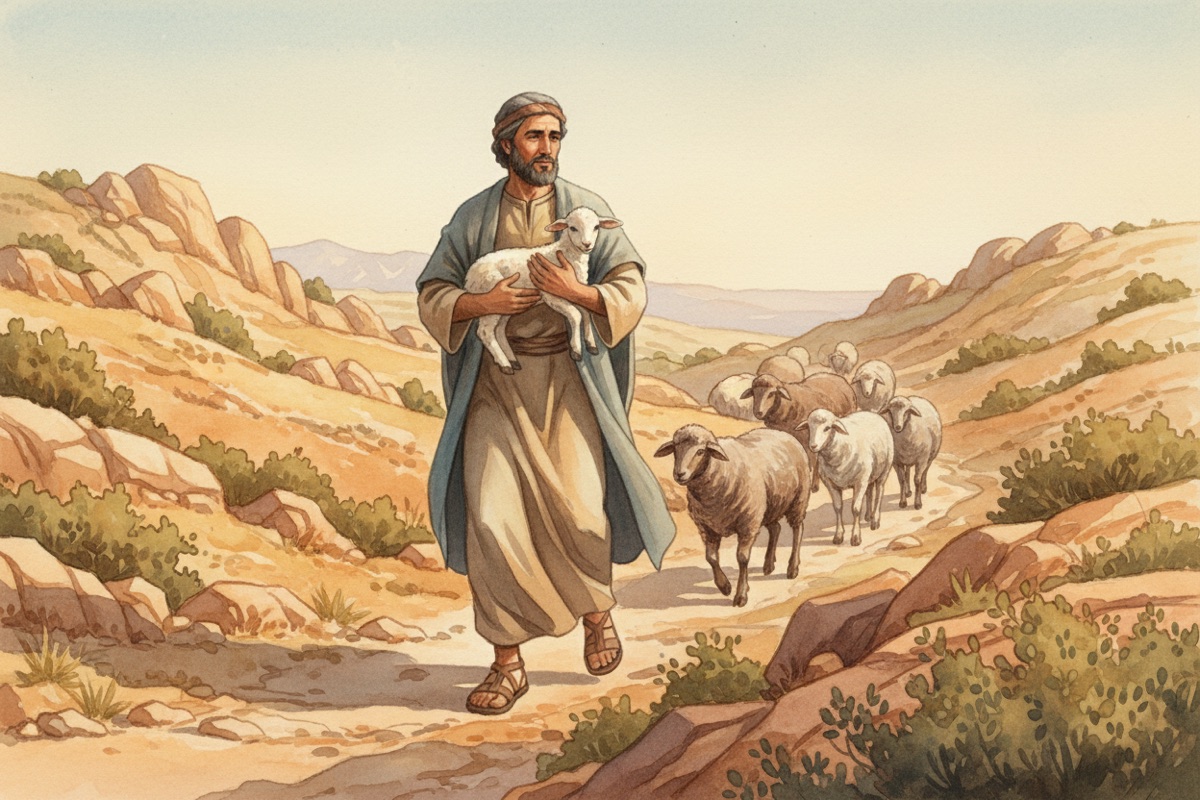
Then chapter 40 opens with a different word from God: “Comfort, comfort My people” (Isaiah 40:1, BSB). The rest of the chapter is God making the case that he is able to deliver that comfort. He “tends His flock like a shepherd” and “gathers the lambs in His arms” (Isaiah 40:11, BSB). The nations that seemed so large “are like a drop in a bucket” (Isaiah 40:15, BSB). He calls out the stars by name, and “not one of them is missing” (Isaiah 40:26, BSB).
That last line sets up the complaint in verse 27. If God keeps count of every star, how could Israel's way be hidden from him? The people felt overlooked. The prophet points them to the night sky and asks them to draw the conclusion.
What does it mean to wait upon the LORD?
To wait upon the LORD is to look to him with expectation instead of relying on what you have left. The waiting in this verse leans forward. It keeps turning toward God while the answer has not come yet.
Verse 30 shows why waiting matters: even the strongest people run out. "Even youths grow tired and weary." Isaiah picks the people with the most natural strength and says it fails them too. The strength in verse 31 comes from somewhere else. God gives it, and the people who receive it are the ones looking to him.
And the God who gives it "will not grow tired or weary." His supply does not run low when he gives.
Why does the promise end with walking?
The promise ends with walking because most of life is walking, and God's strength reaches that far down. Look at the order of the last line. Wings like eagles. Then running. Then walking. You might expect a promise to build toward its biggest picture. This one moves the other way.
Some days God does lift you. You have had those days, when you came out of a hard season and could see farther than you had in months. Other days you need to run, to get through a crisis without collapsing.
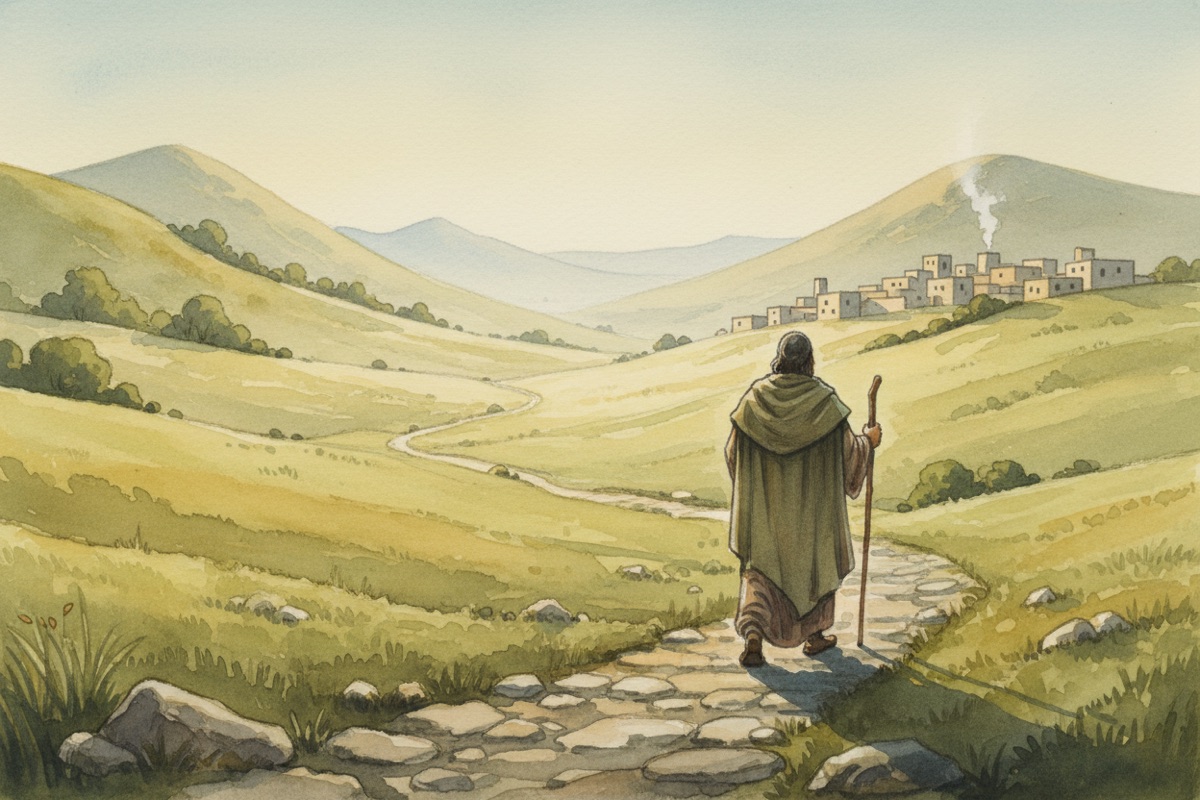
But most of life is walking. The hospital visit after a long day. Doing the faithful thing again when no one is watching and nothing feels different. The promise reaches all the way down to that. "They will walk and not faint."
If you are in a walking season, this verse is not asking you to soar. It is promising that you will not fall down on the road.
How do you wait on the LORD when you are tired?
Start where Israel started: say the complaint out loud. Tell God where you feel hidden from him. Verse 27 shows God knows the complaint word for word.
Then do what the prophet did and look at who God is. Read Isaiah 40 slowly, start to finish. Stop at the shepherd in verse 11 and the stars in verse 26. Let the size and the tenderness of God sit next to each other.
Then take the next step in front of you, and ask for strength for that step only. You may also find help in a Psalm 23 devotional for a hard week.
A prayer
Lord, I am tired, and some days I wonder if you see it. You know my way. You have not lost count of me. You do not grow weary, and you give strength to people who have none left. I bring you what I have, and it is not much. Renew my strength with yours. If today is a day to rise, lift me. If it is a day to run, keep me from collapsing. And if it is just a day to walk, help me walk and not faint.
Questions for reflection
- Where do you feel, like Israel in verse 27, that your way is hidden from God?
- Are you in a soaring, running, or walking season right now, and what would it look like to ask God for strength for that kind of day?
Try Sermoneer
One sermon becomes a week of material: small group guide, devotional, social cards, and shorts.
Start free