
Devotional
Galatians 6:9 Devotional: Do Not Grow Weary in Doing Good
Galatians 6:9 tells tired believers to keep doing good, because a harvest is coming at the time God has set. The verse before it ties that harvest to eternal life. Paul does not say when you will see results. He says we will reap if we do not give up, and he counts himself in the "we."
Picture the kitchen after a church supper. The tables are folded and only one car is left in the lot. A woman is still at the sink with the roasting pans. She did this last year, and the year before. With her hands in the dishwater, she wonders whether any of it makes a difference.
You may have your own sink. Maybe it is a visit to someone who never remembers you came. Maybe it is a class of four that you prepare for as carefully as you would for forty.
Do not be deceived: God is not to be mocked. Whatever a man sows, he will reap in return. The one who sows to please his flesh, from the flesh will reap destruction; but the one who sows to please the Spirit, from the Spirit will reap eternal life. Let us not grow weary in well-doing, for in due time we will reap a harvest if we do not give up. Therefore, as we have opportunity, let us do good to everyone, and especially to the family of faith. (Galatians 6:7-10, BSB)
What does it mean to grow weary in doing good?
It means losing heart in it. The Greek verb is about discouragement more than sore muscles. Paul uses it in another letter when he says, “we do not lose heart” (2 Corinthians 4:1, BSB). Luke uses it for a parable about the need to “pray at all times and not lose heart” (Luke 18:1, BSB).
So Paul is warning about discouragement. You can still know what is good and lose heart for doing it.
Notice that he says “Let us not grow weary” (Galatians 6:9, BSB). He wrote this as a man who had poured himself into these churches and feared his work among them might have been for nothing (Galatians 4:11). He puts himself under the same command, and the same promise.

What kind of doing good did Paul have in mind?
Paul had in mind the care believers owe each other, and in verse 10 he widens it to everyone. Earlier in the chapter, he tells them to restore gently someone caught in sin (6:1), carry each other's burdens (6:2), and share all good things with the person who teaches them (6:6). He was writing to churches he had to warn about biting and devouring one another (5:15).
Paul is not asking them to earn their place with God. He has spent much of the letter saying that we are “justified by faith in Christ and not by works of the law” (Galatians 2:16, BSB). The good he describes grows out of a life God has already given: “Since we live by the Spirit, let us walk in step with the Spirit.” (Galatians 5:25, BSB).
What is the harvest in Galatians 6:9?
In context, the harvest points to eternal life. The verse before says that “the one who sows to please the Spirit, from the Spirit will reap eternal life” (Galatians 6:8, BSB). Paul sets that promise beside a warning: the one who sows to please the flesh will reap destruction.
Read those verses together and you can see what Paul left out. He doesn't say the class will grow. He doesn't say the person you keep forgiving will change. You may see fruit like that, and when you do, thank God for it. But if you measure verse 9 by what you can count on Sunday, you may decide the promise has failed when its time has not come.
The harvest comes from the Spirit, so a clean pan does not earn it. But Hebrews says God “will not forget your work and the love you have shown for His name as you have ministered to the saints” (Hebrews 6:10, BSB). He remembers it even if nobody in the building knows who washed the pan.
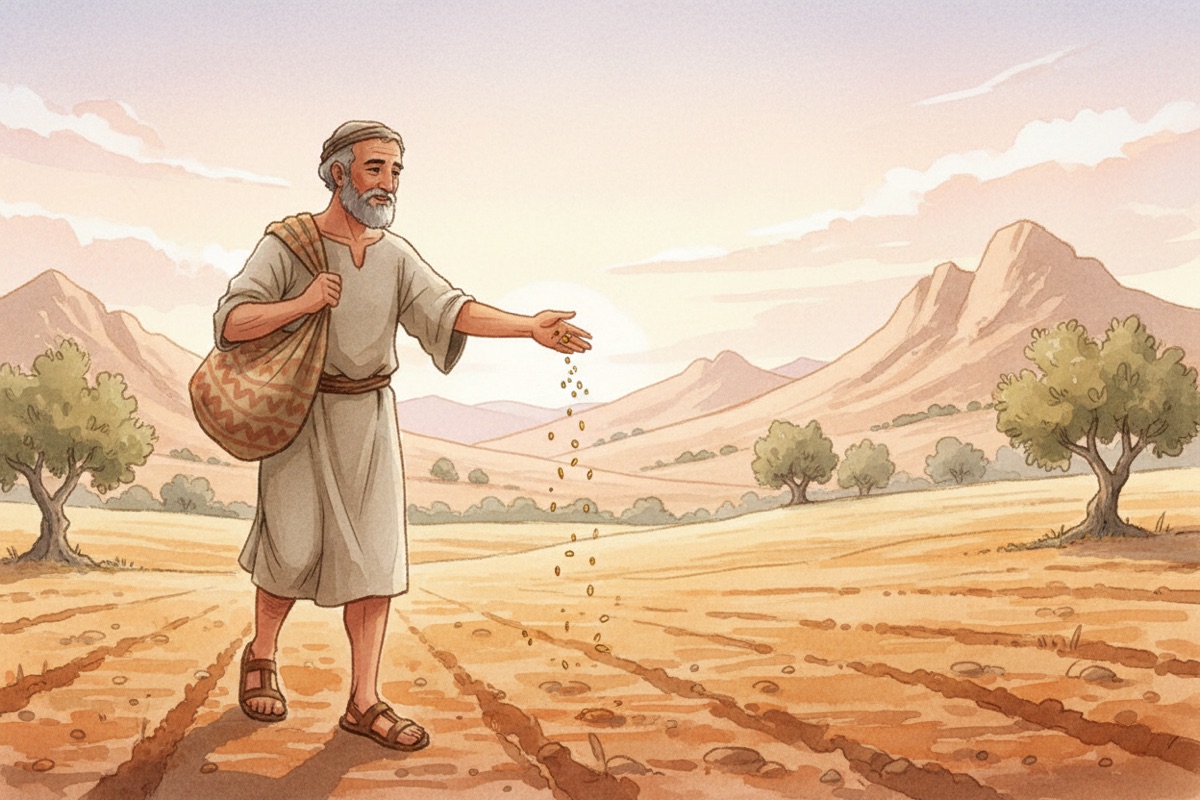
When is "in due time"?
It is the harvest's own season, and God sets it. A farmer cannot hurry that season by digging up the seed to check on it. James uses the same picture: “See how the farmer awaits the precious fruit of the soil” (James 5:7, BSB). James points his readers to the Lord's coming. Some of what you are waiting for may come only then.
The Greek word for "time" in verse 9, kairos, appears again in verse 10, where it is translated "opportunity." So Paul sets two seasons side by side. The season of harvest belongs to God, and you can't bring it forward. The season for doing good has been handed to you, and it is now: “as we have opportunity, let us do good to everyone, and especially to the family of faith” (Galatians 6:10, BSB).
What should you do when you are tired of doing good?
Start by telling someone. The same chapter says, “Carry one another’s burdens” (Galatians 6:2, BSB). The people Paul tells to keep going are the same people he tells to help each other. If you have been carrying everyone else's burdens, let one person help with yours this week.
Then rest. A tired week is not the giving up Paul warns about. When the disciples were too busy even to eat, Jesus said, “Come with Me privately to a solitary place, and let us rest for a while.” (Mark 6:31, BSB).
This verse does not ask you to stay where someone is hurting you. Get to safety and tell someone you trust. That is not giving up on doing good.
When you are ready to take up the work again, look for the good in front of you. You can't meet every need you hear about.
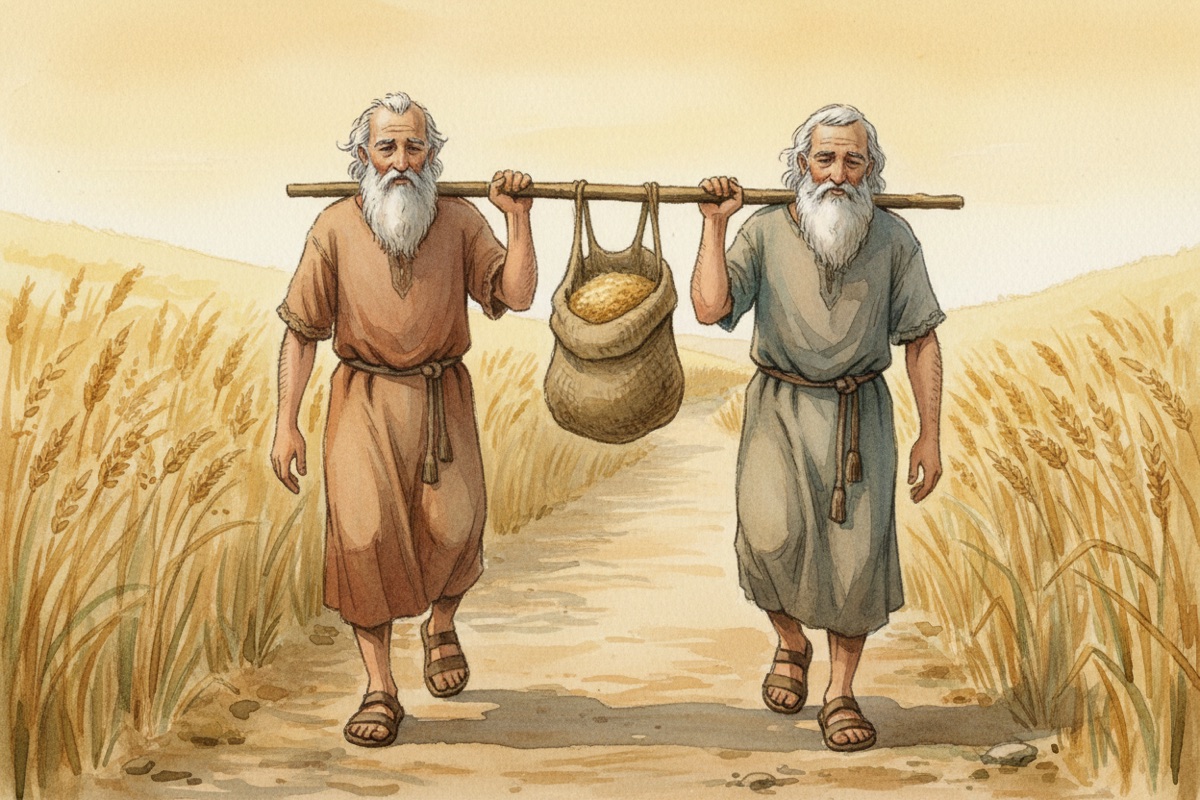
Most of all, look to Jesus. Hebrews says, “Consider Him who endured such hostility from sinners, so that you will not grow weary and lose heart.” (Hebrews 12:3, BSB). The words "lose heart" there come from the verb behind "give up" in Galatians 6:9. He went all the way to the cross, and He knows what your tiredness is. If you want to stay with that passage, here is a Hebrews 12:1-2 devotional.
A prayer
Father, I am tired, and I have started to wonder if it matters. You see what I have sown, even the part I have forgotten. Give me rest where I need it and a friend to share the burden. Keep me from giving up. I leave the harvest with You. Show me the good that is mine to do today.
Questions for reflection
- Where have you been measuring God's promise by results you can count?
- Who could help carry your burden this week, and what would you need to tell them?
Try Sermoneer
One sermon becomes a week of material: small group guide, devotional, social cards, and shorts.
Start free